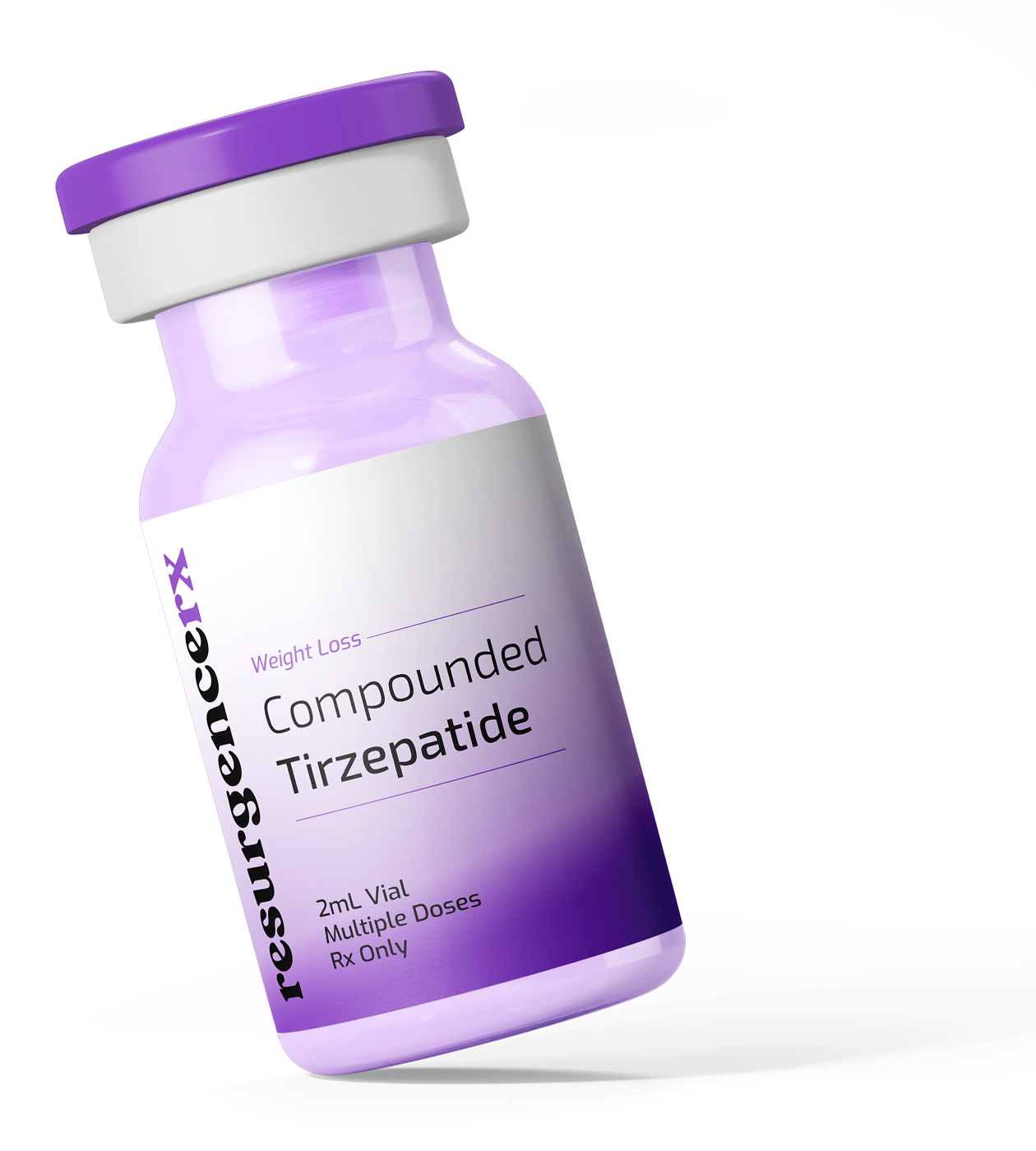
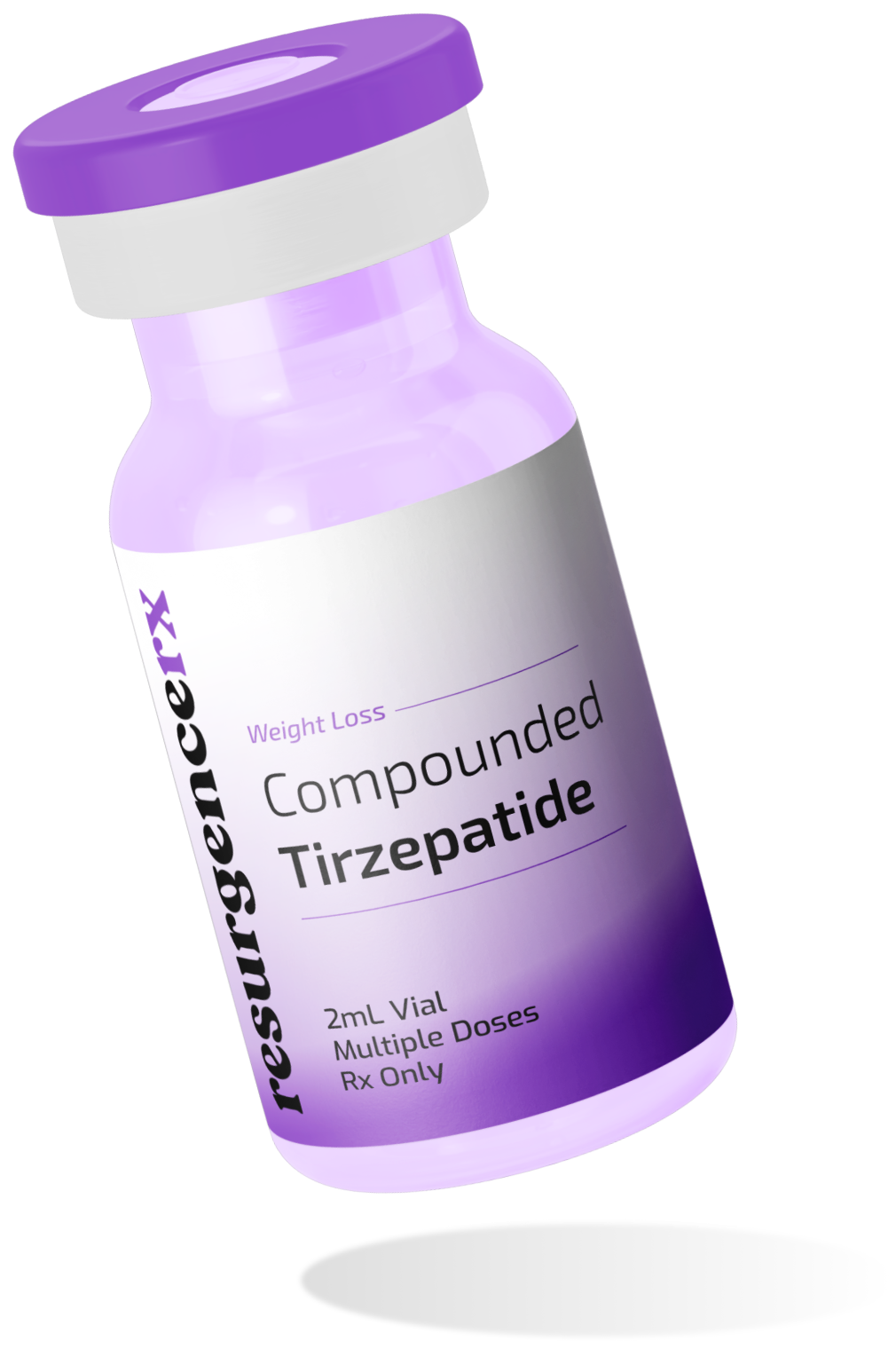


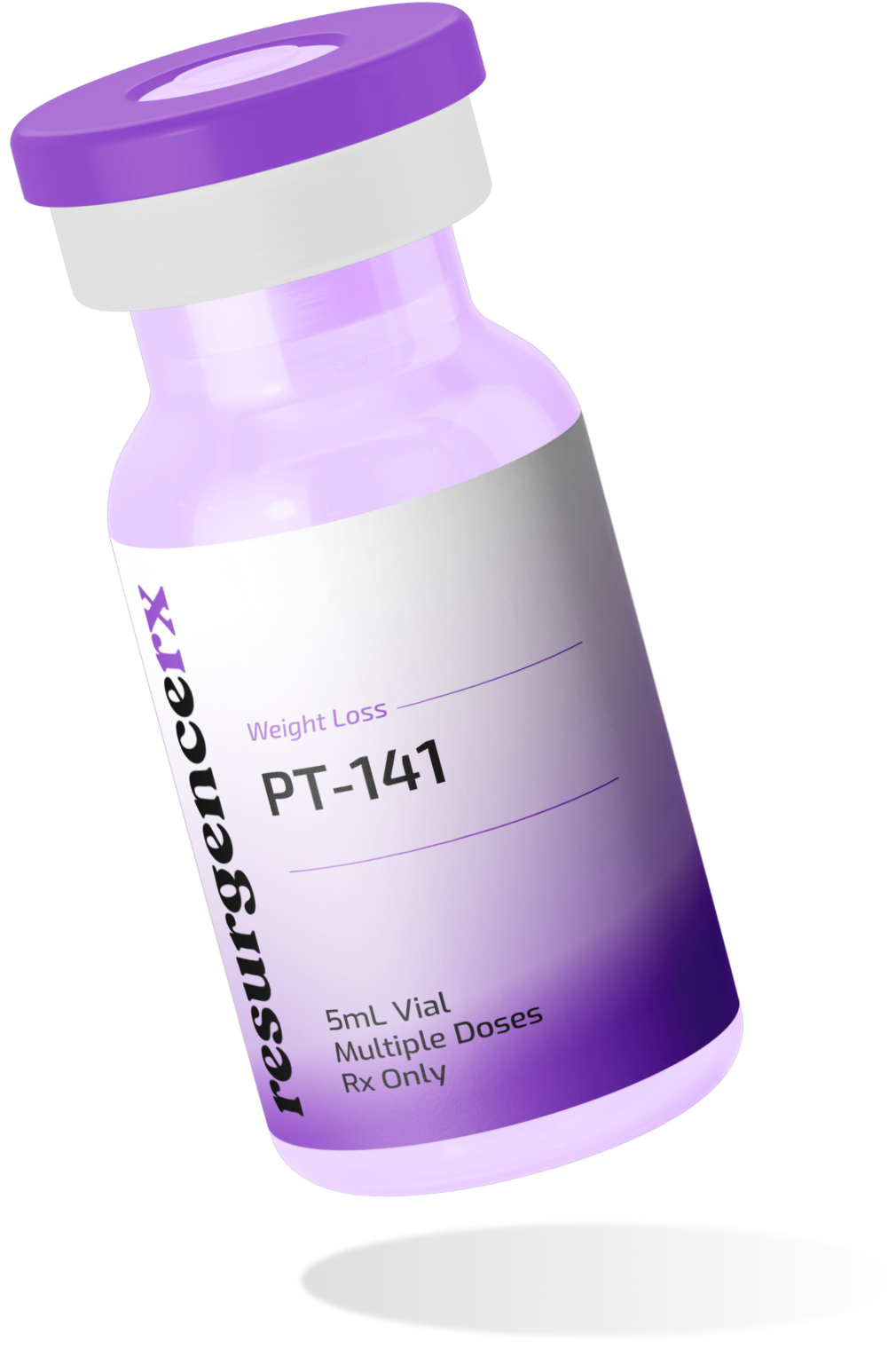
How GLP-1 Treatments Support Weight Loss

In recent years, GLP-1–based treatments have transformed the way we approach weight loss. Originally developed to manage type 2 diabetes, these medications are now widely recognized for their ability to support safe, effective, and sustained weight reduction.
But how exactly do they work? The answer lies in how they interact with your body’s natural appetite and metabolism systems.
What Is GLP-1?
GLP-1 stands for Glucagon-like peptide-1, a hormone naturally produced in the gut. It plays a key role in:
- Regulating blood sugar levels
- Slowing digestion
- Controlling appetite
GLP-1 treatments are designed to mimic this hormone, enhancing its effects in the body.
How GLP-1 Treatments Promote Weight Loss
1. Reduced Appetite and Cravings
One of the most powerful effects of GLP-1 treatments is appetite control. These medications act on areas of the brain that regulate hunger, helping you feel full sooner and stay satisfied longer.
As a result, people tend to:
- Eat smaller portions
- Snack less frequently
- Experience fewer cravings
2. Slower Gastric Emptying
GLP-1 treatments slow down how quickly food leaves your stomach. This process, known as Gastric emptying, helps prolong feelings of fullness after meals.
This not only reduces overall calorie intake but also helps stabilize energy levels throughout the day.
3. Improved Blood Sugar Control
GLP-1 medications help regulate insulin and blood sugar levels. Stable blood sugar reduces sudden hunger spikes and energy crashes, making it easier to maintain consistent eating habits.
This is particularly beneficial for individuals with insulin resistance or type 2 diabetes.
4. Support for Sustainable Weight Loss
Unlike crash diets, GLP-1 treatments support gradual and sustainable weight loss. Because they help control hunger naturally, users are more likely to maintain healthier eating patterns over time.
This reduces the likelihood of regaining weight after initial loss.
Common GLP-1 Medications
Some well-known GLP-1–based treatments include:
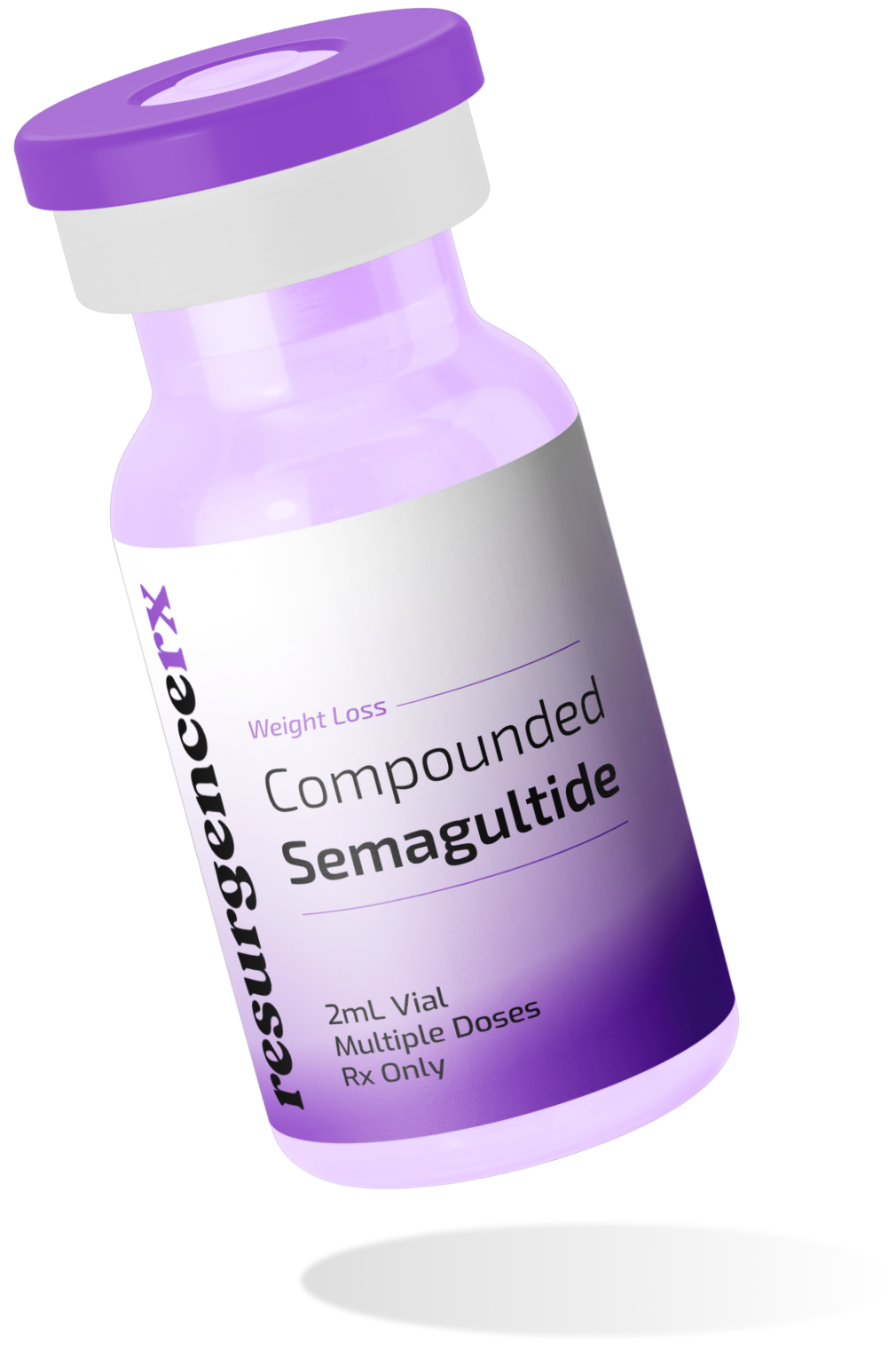
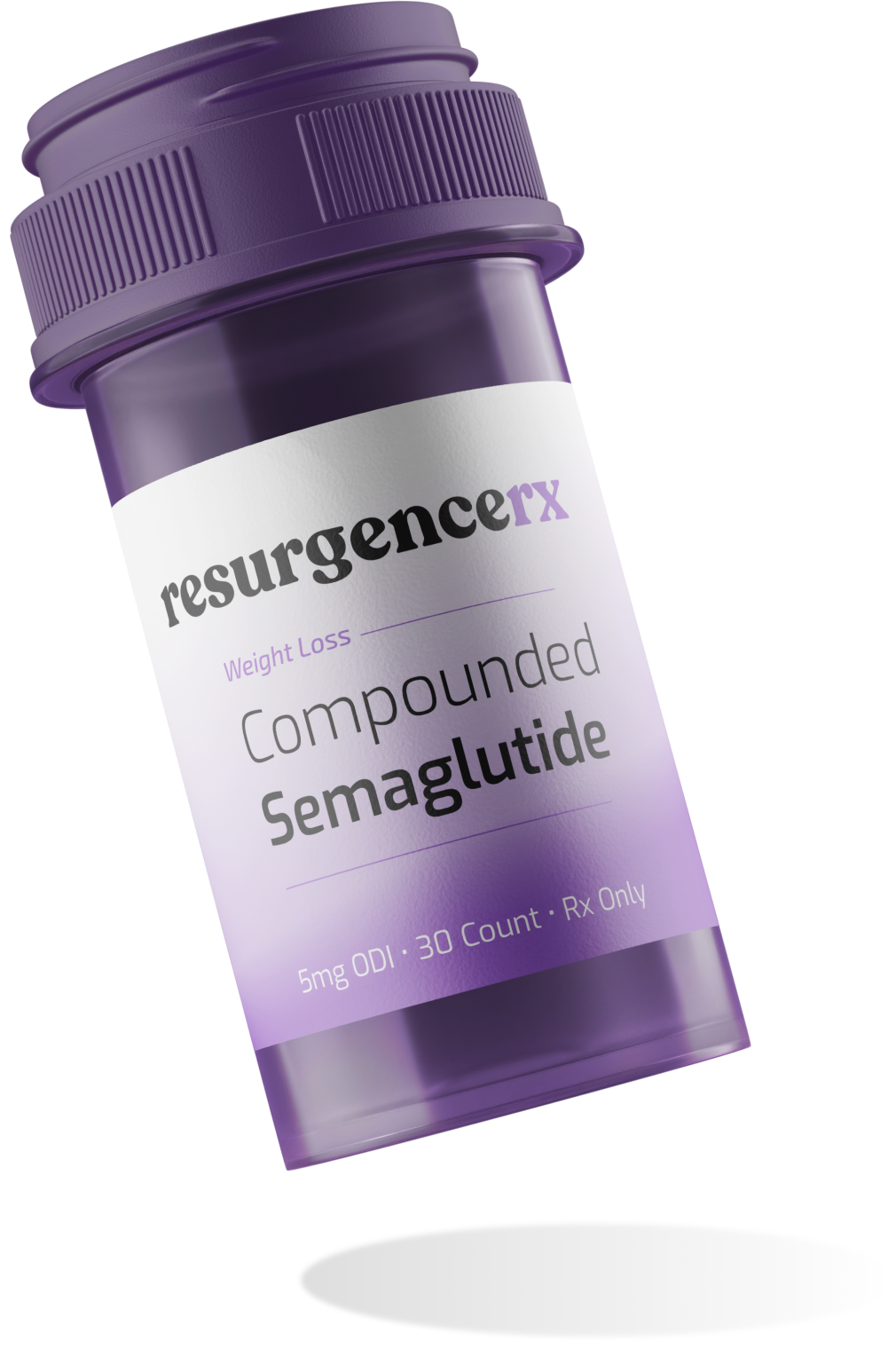
- Semaglutide (used in medications like Ozempic and Wegovy)
- Liraglutide (used in Saxenda and Victoza)
These medications are typically prescribed and monitored by healthcare professionals to ensure safety and effectiveness.
Who Can Benefit from GLP-1 Treatments?
GLP-1 therapies may be recommended for:
- Individuals with obesity or overweight
- People struggling with appetite control
- Those with type 2 diabetes or insulin resistance
However, they are not a one-size-fits-all solution and should always be used under medical supervision.
Are There Any Side Effects?
Like any treatment, GLP-1 medications can have side effects. The most common include:
- Nausea
- Mild digestive discomfort
- Reduced appetite (which is also part of how they work)
These effects are often temporary and tend to improve as the body adjusts.
The Role of Lifestyle
While GLP-1 treatments are effective, they work best when combined with healthy lifestyle habits, such as:
- Balanced nutrition
- Regular physical activity
- Proper sleep and stress management
Think of these treatments as a support tool, not a replacement for healthy living.
Final Thoughts
GLP-1 treatments represent a major advancement in weight management by working with your body’s natural systems rather than against them. By reducing appetite, improving blood sugar control, and supporting sustainable habits, they make it easier for many people to achieve and maintain a healthier weight.
As with any medical treatment, the key is proper guidance and a long-term approach focused on overall well-being—not just quick results.