


Menu
hero-image

Emerging Treatments That Promote Weight Loss

CHECK MY ELIGIBILITY
EXPLORE
Longevity Sexual Function GET STARTED
TOP TREATMENT
Supply Available
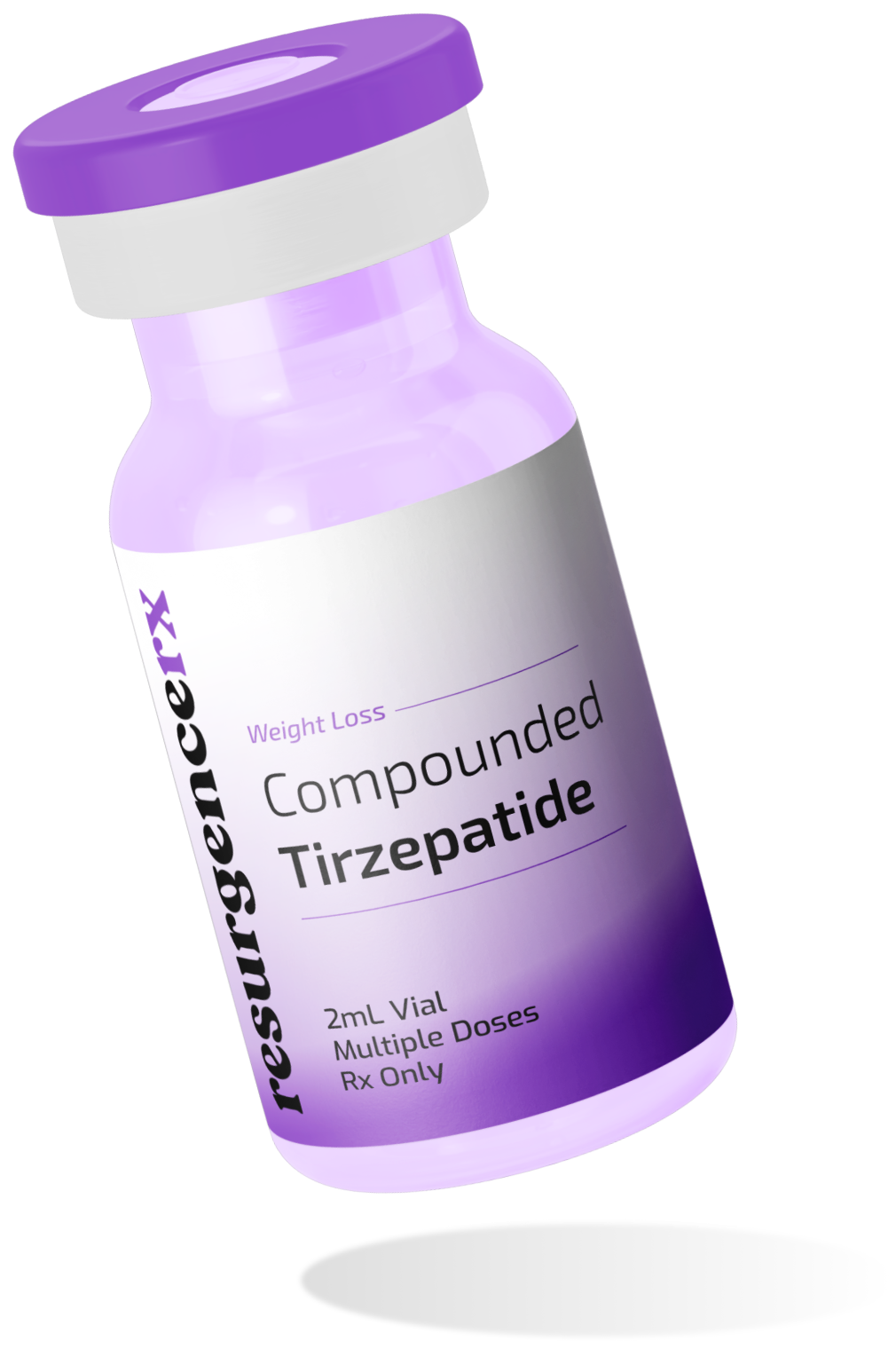
Compounded Tirzepatide

Compounded Tirzepatide

1 Month Supply Of Injections for weight loss with dual power and greater results

GET STARTED arrow
Supply Available
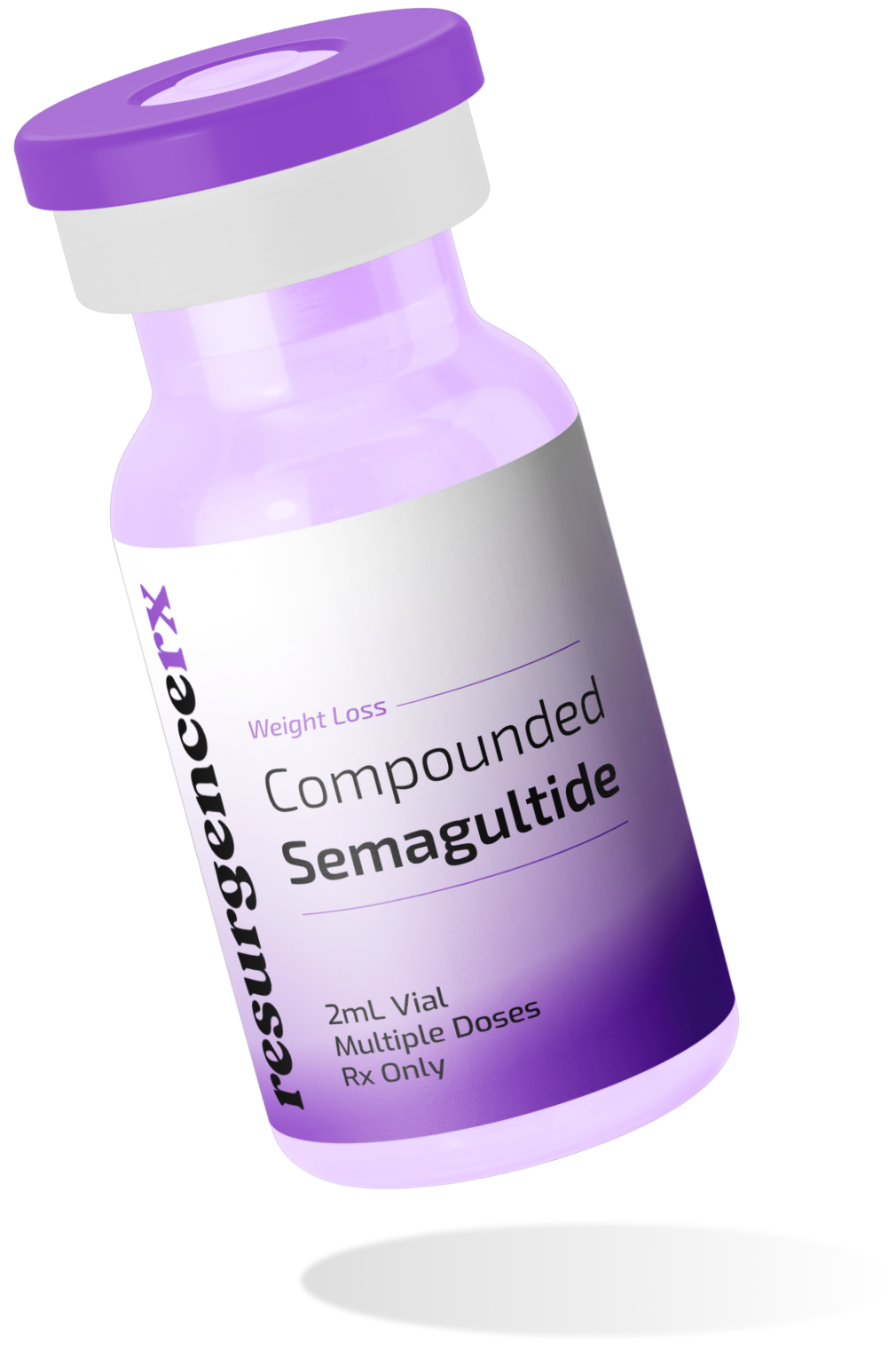
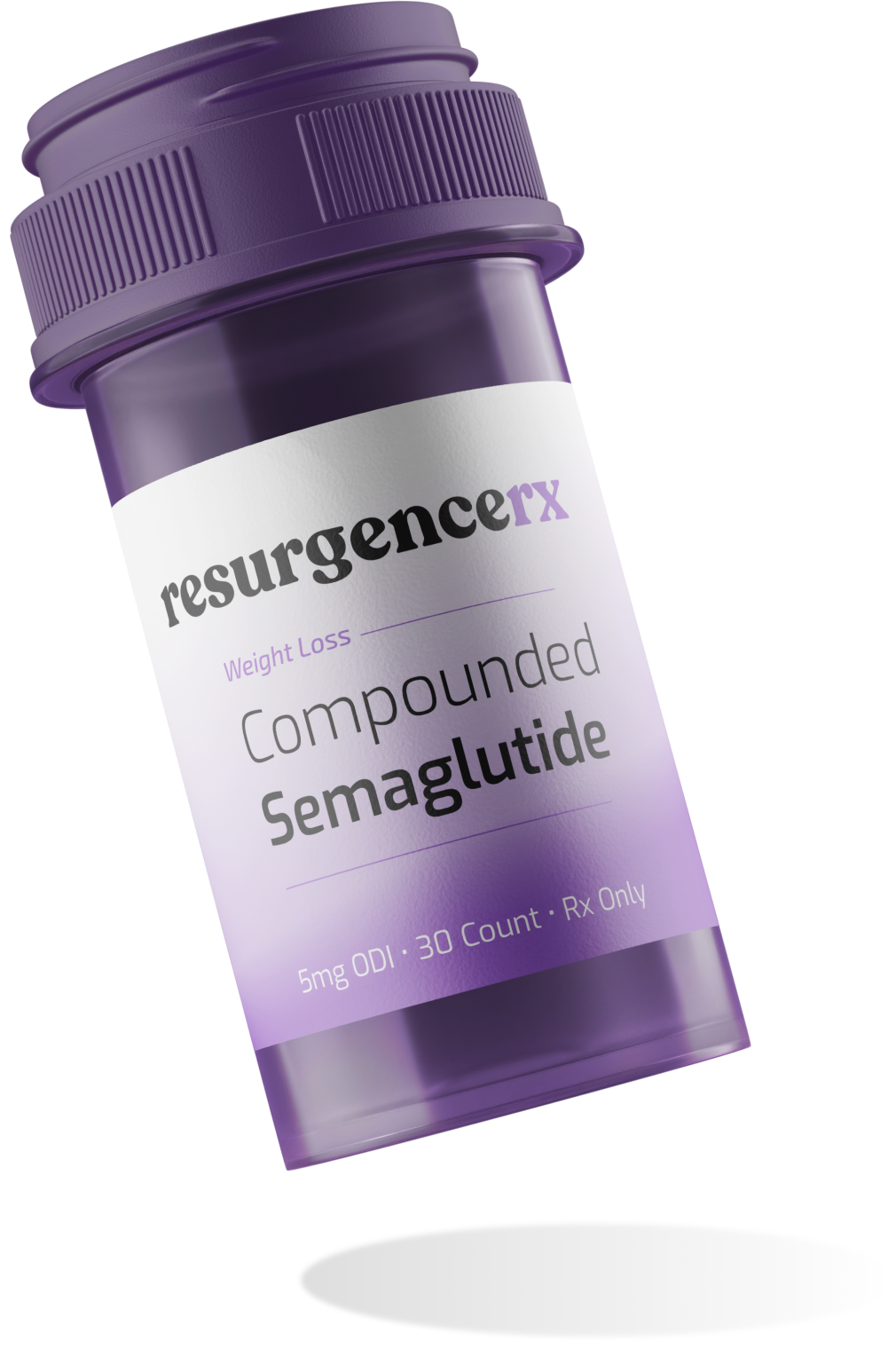
Compounded Semaglutide

Compounded Semaglutide

1 Month Supply Of Injections for transforming weight care at the source

GET STARTED arrow
Supply Available
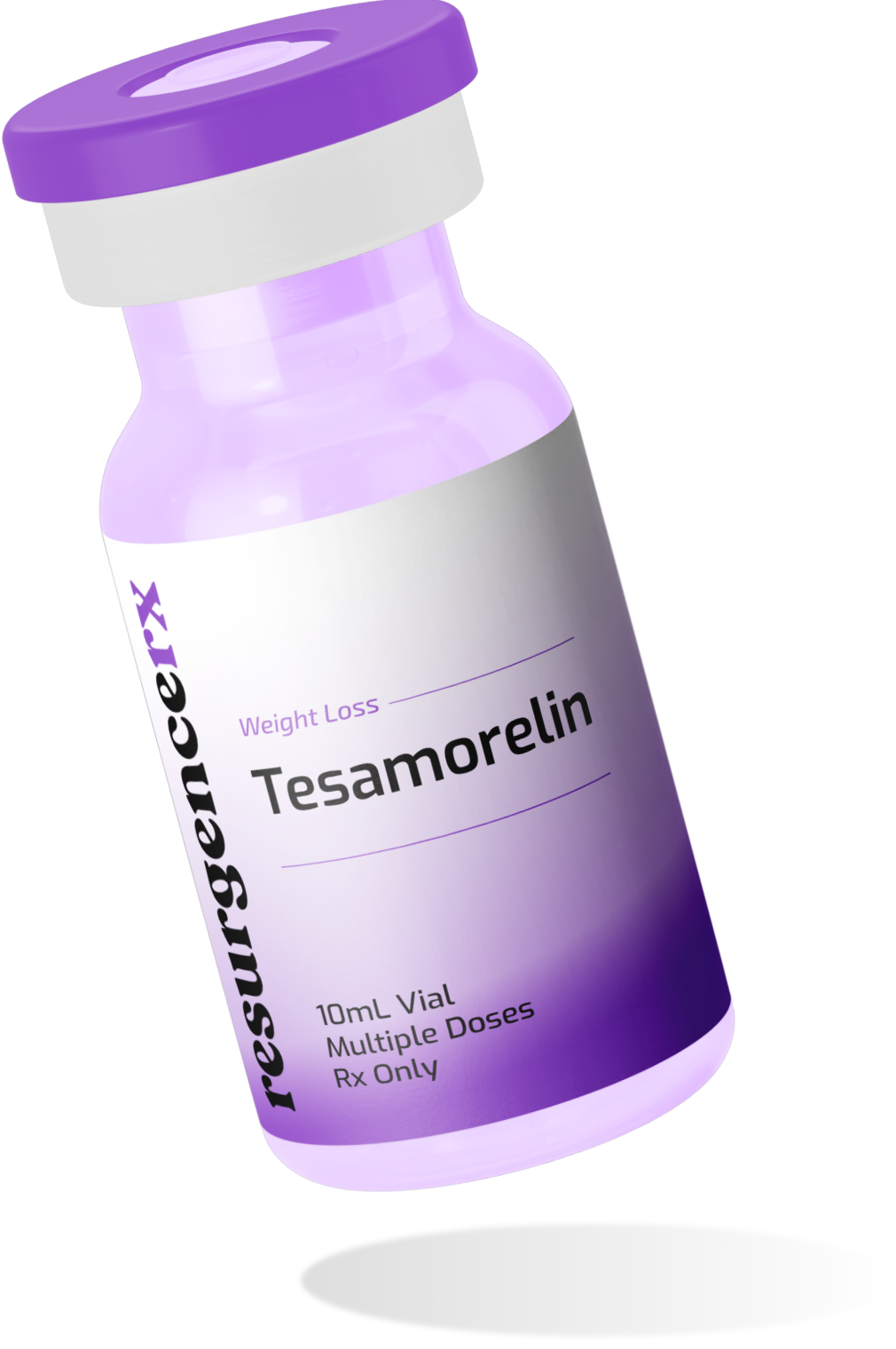
Tesamorelin

Tesamorelin

GET STARTED arrow
No Needles
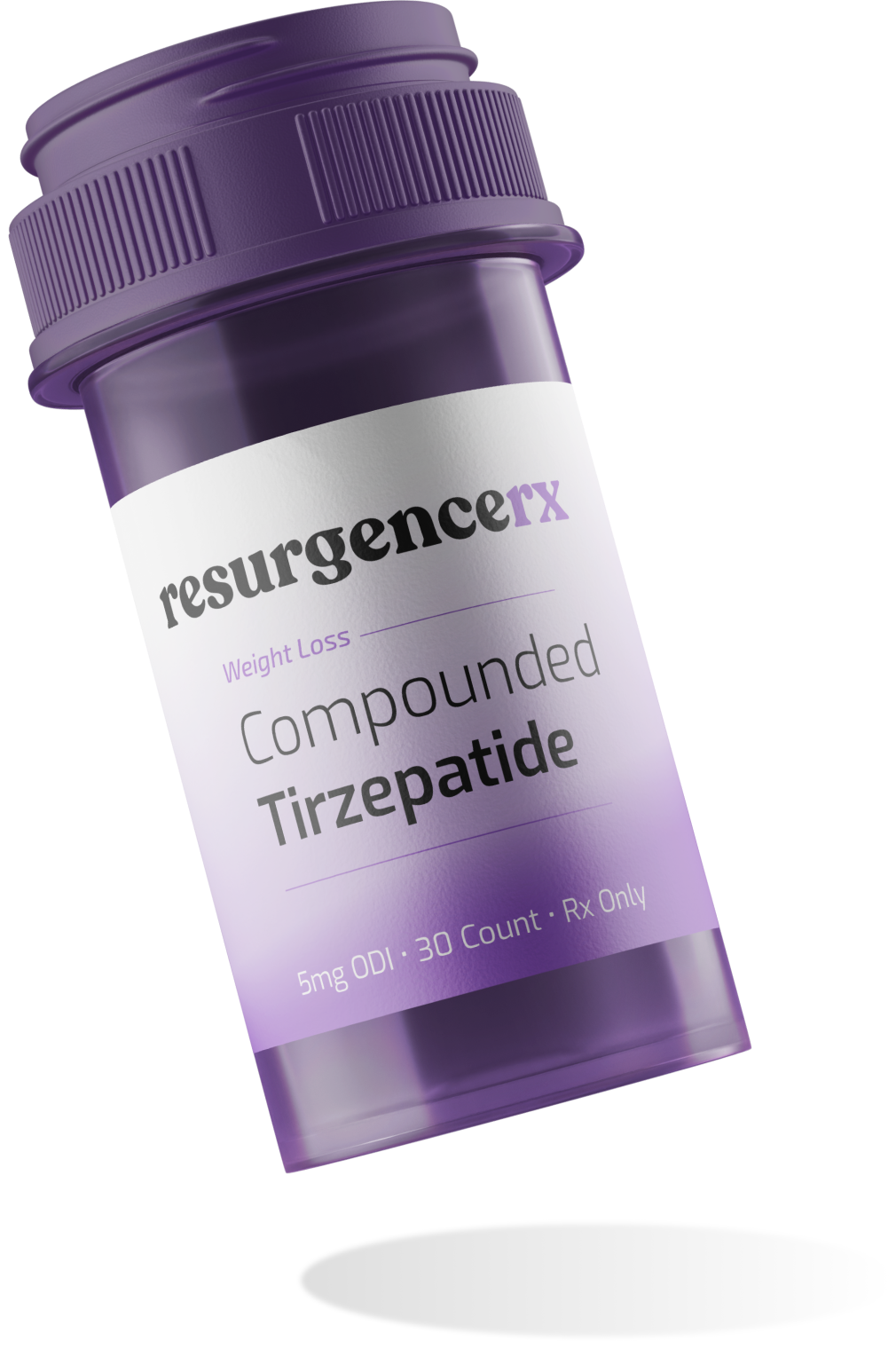
Compounded Tirzepatide ODT

Compounded Tirzepatide ODT

Oral tablets with GLP-1/GIP, Inositol

GET STARTED arrow
No Needles
Compounded Semaglutide ODT

Compounded Semaglutide ODT

1 Month Supply Of Injections for transforming weight care at the source

GET STARTED arrow
Anti-aging
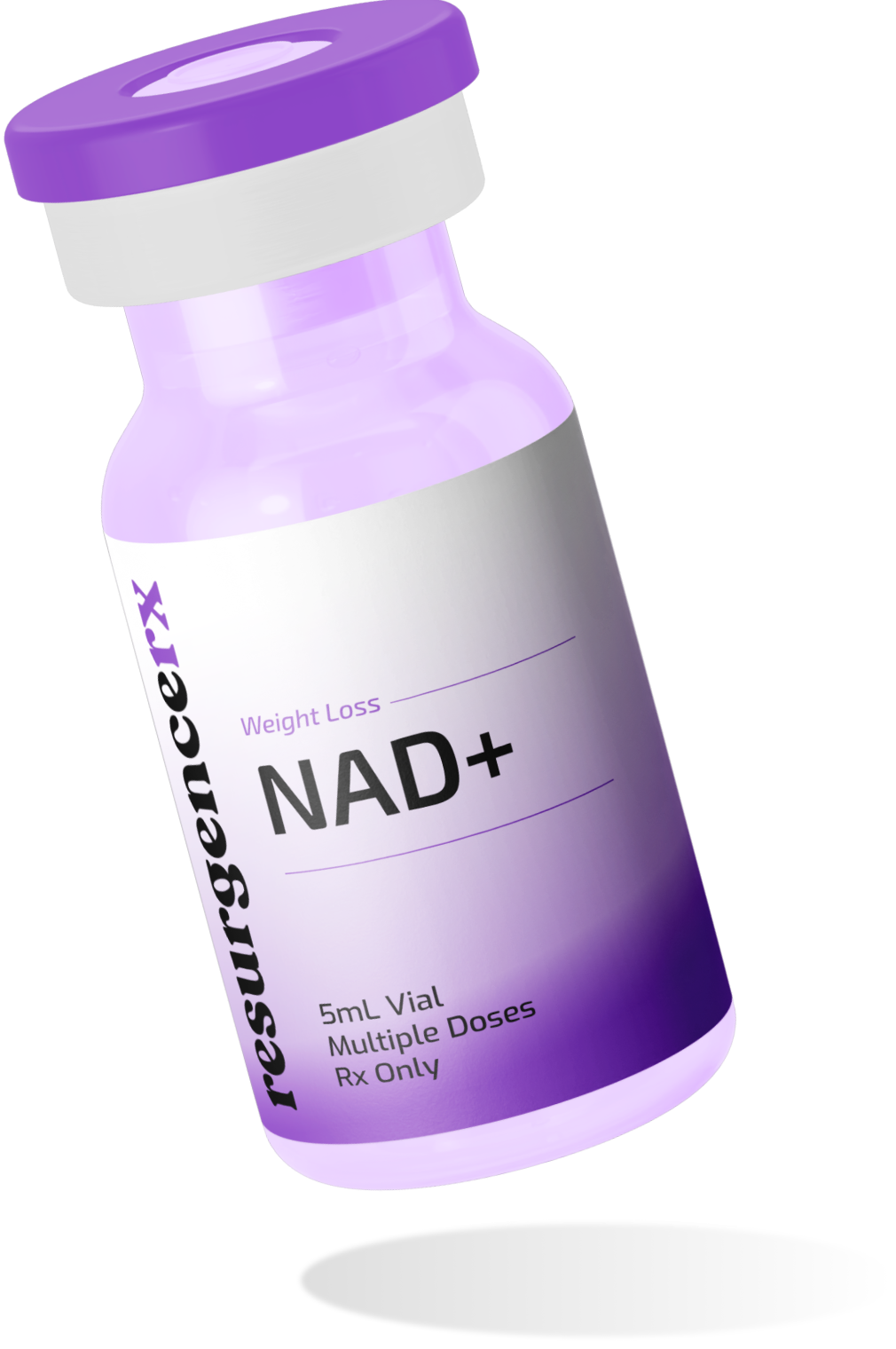
NAD+

NAD+

Physician- prescribed NAD+ injections to support cellular energy production, DNA repair, and healthy aging. 100% online, delivered to your door.

GET STARTED arrow
Growth Hormone
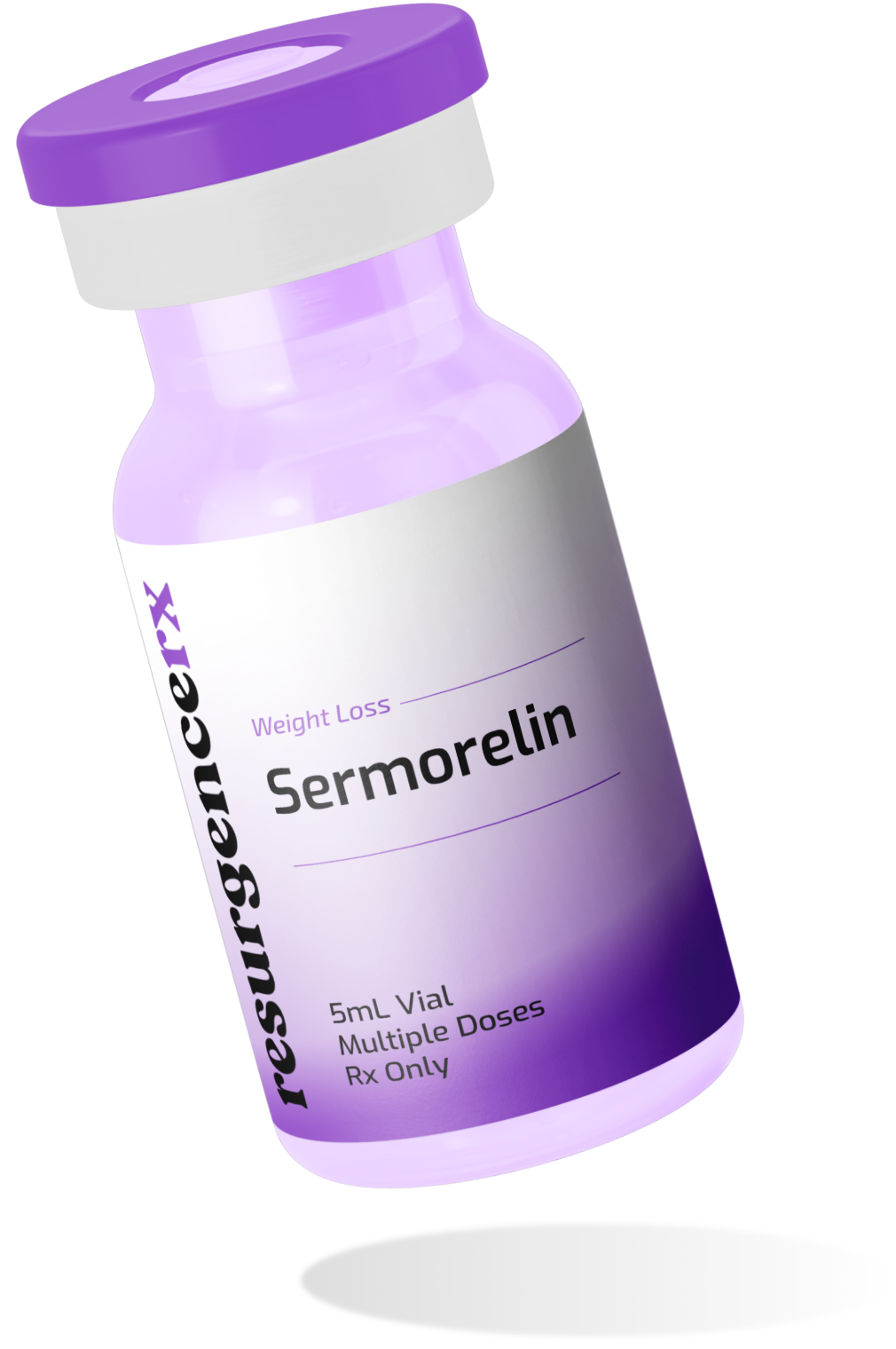
Sermorelin

Sermorelin

Physician-prescribed sermorelin supports your body's natural growth hormone production to help promote recovery, lean body composition, restorative sleep and overall wellness.

GET STARTED arrow
Detox
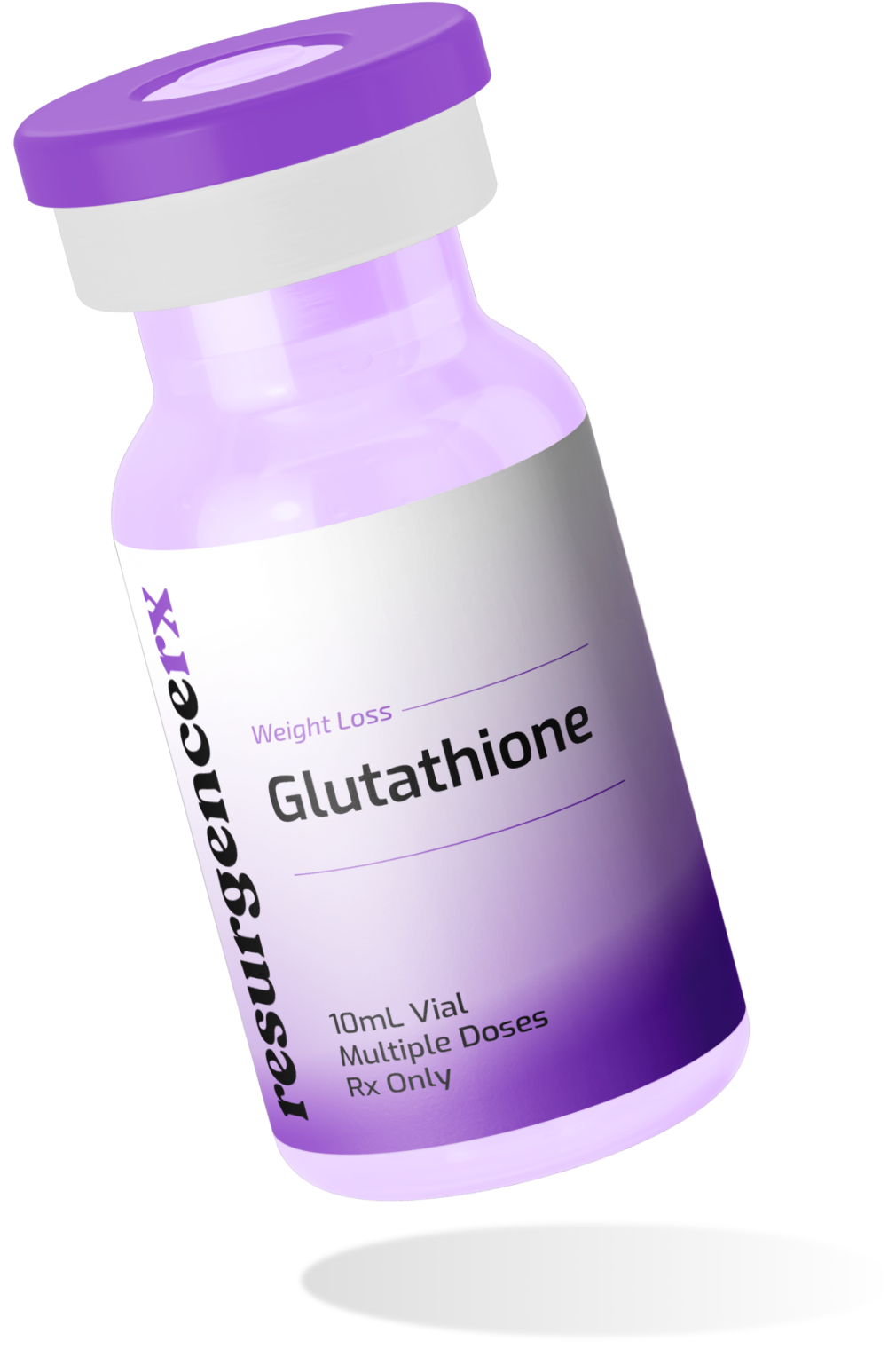
Glutathione

Glutathione

Physician-prescribed glutathione injections designed to support detoxification, immune health, and a brighter, more radiant appearance. Powerful antioxidant support, conveniently delivered to your door.

GET STARTED arrow
Nasal Spray
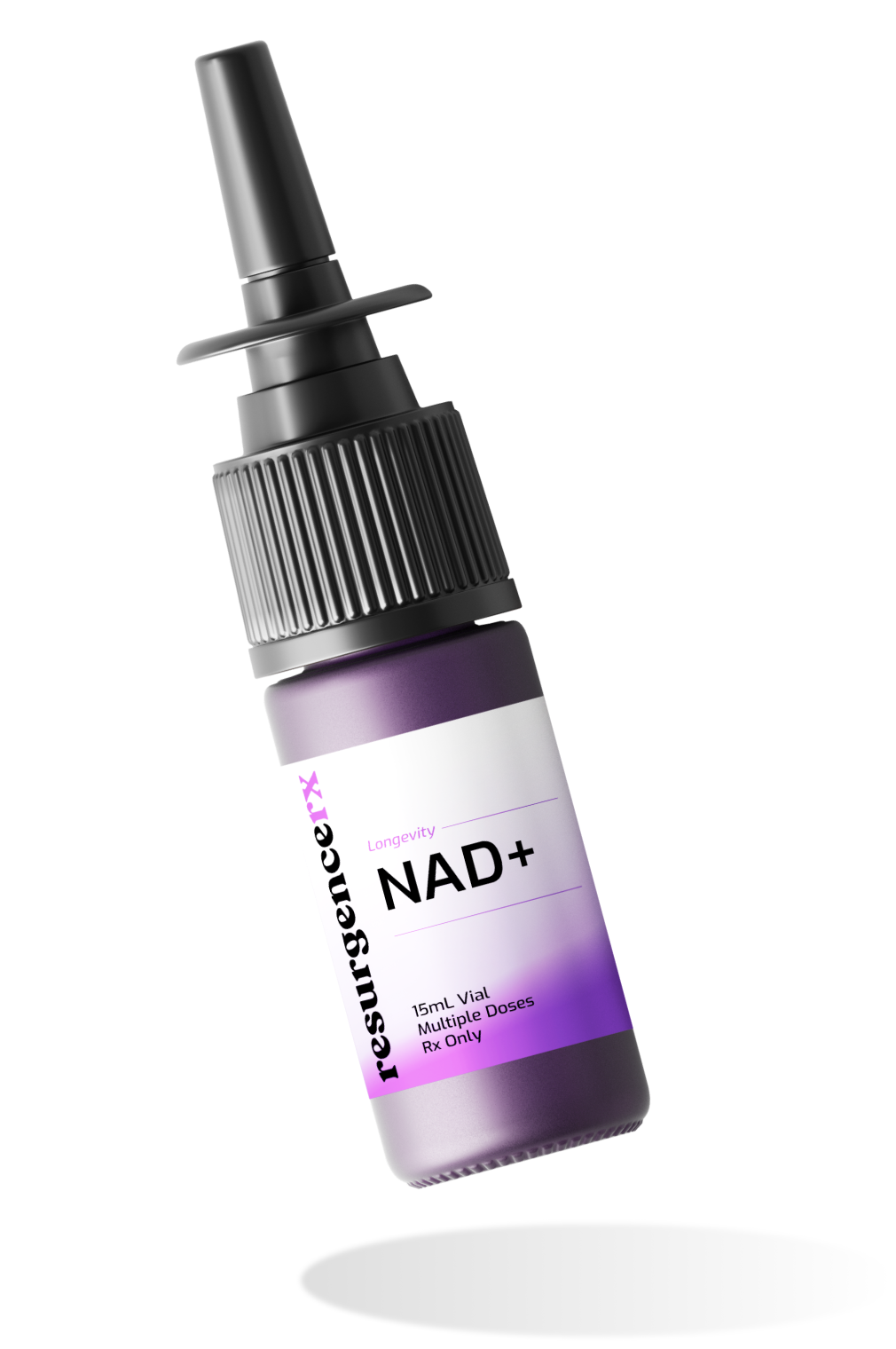
NAD+ Nasal Spray

NAD+ Nasal Spray

NAD+ supports cellular energy and repair. This formulation may help with sharper focus, better mood, and sustained vitality over time, supporting overall wellness and resilience in daily life.

GET STARTED arrow
Weight Loss

Emerging Treatments That Promote Weight Loss

GET STARTED
All Treatments
Supply Available
Tesamorelin

Tesamorelin

Get Started arrow
Wellness
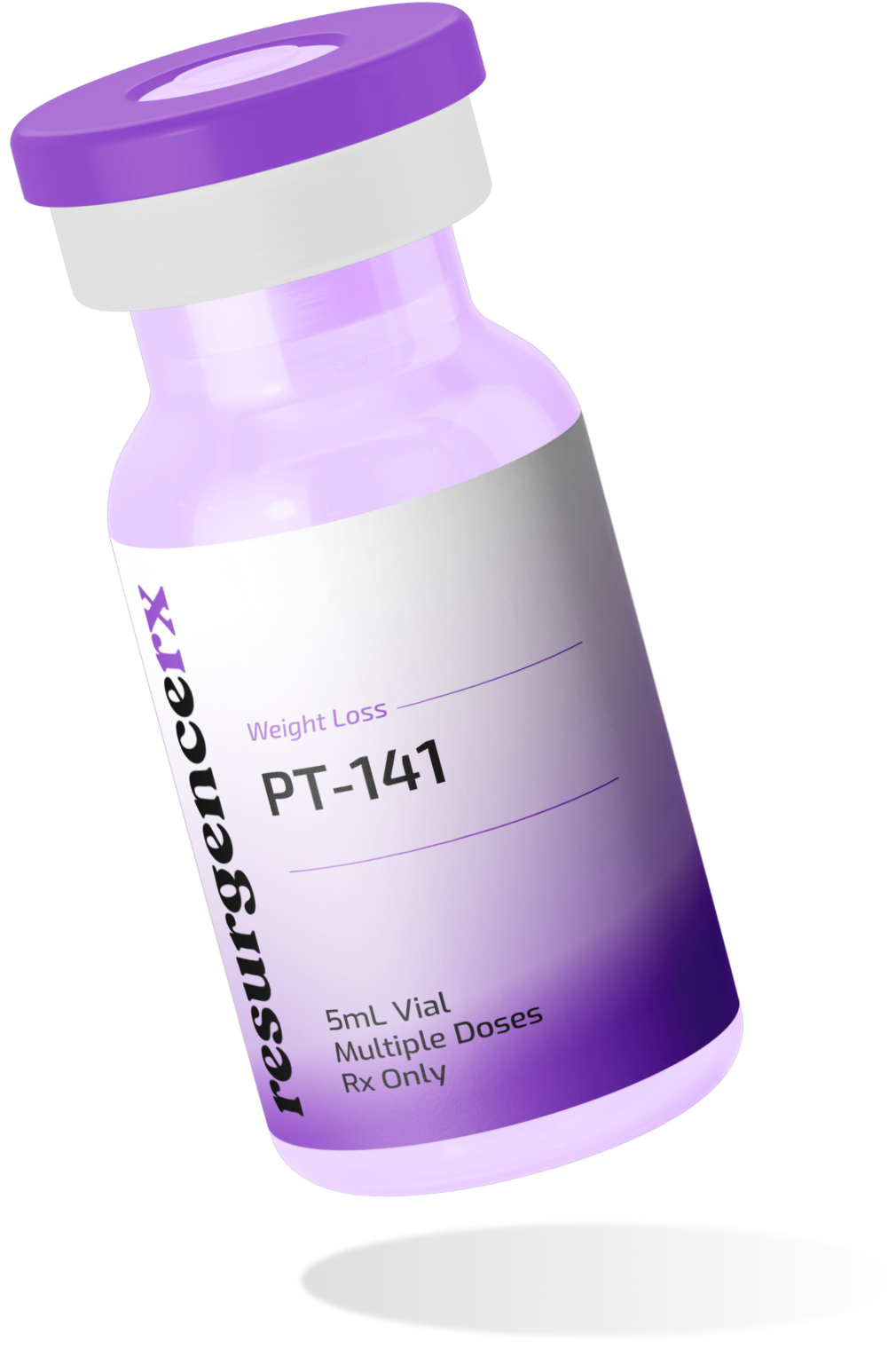
PT-141

PT-141

Physician-prescribed PT-141 (bremelanotide) designed to support sexual desire and arousal by acting on the central nervous system. Fully online process from consultation to treatment. Designed to support sexual desire by targeing pathways within the central nervous system. Physician prescribed – discreet and confidential

Get Started arrow
Detox
Glutathione

Glutathione

Physician-prescribed glutathione injections designed to support detoxification, immune health, and a brighter, more radiant appearance. Powerful antioxidant support, conveniently delivered to your door.

Get Started arrow
No Needles
Compounded Semaglutide ODT

Compounded Semaglutide ODT

1 Month Supply Of Injections for transforming weight care at the source

Get Started arrow
Supply Available
Compounded Semaglutide

Compounded Semaglutide

1 Month Supply Of Injections for transforming weight care at the source

Get Started arrow
No Needles
Compounded Tirzepatide ODT

Compounded Tirzepatide ODT

Oral tablets with GLP-1/GIP, Inositol

Get Started arrow
Supply Available
Compounded Tirzepatide

Compounded Tirzepatide

1 Month Supply Of Injections for weight loss with dual power and greater results

Get Started arrow
Growth Hormone
Sermorelin

Sermorelin

Physician-prescribed sermorelin supports your body's natural growth hormone production to help promote recovery, lean body composition, restorative sleep and overall wellness.

Get Started arrow
Anti-aging
NAD+

NAD+

Physician- prescribed NAD+ injections to support cellular energy production, DNA repair, and healthy aging. 100% online, delivered to your door.

Get Started arrow
Nasal Spray
NAD+ Nasal Spray

NAD+ Nasal Spray

NAD+ supports cellular energy and repair. This formulation may help with sharper focus, better mood, and sustained vitality over time, supporting overall wellness and resilience in daily life.

Get Started arrow
CHECK MY ELIGIBILITY

How to Maximize Results with GLP-1 Treatment

GLP-1 treatments can be a powerful tool for weight loss—but the best results come when they’re combined with the right habits and mindset. These medications work by supporting your body’s natural systems, but your daily choices determine how far you go.

Here’s how to get the most out of your GLP-1 journey.

Understand How GLP-1 Works

GLP-1 medications mimic Glucagon-like peptide-1, a hormone that helps control appetite, slow digestion, and regulate blood sugar.

This means:

  • You’ll feel full faster
  • You’ll stay full longer
  • Cravings may decrease

Knowing this helps you work with the treatment—not against it.

1. Prioritize Protein Intake

Because you’ll likely be eating less, it’s important to make every meal count—especially with protein.

Protein helps:

  • Preserve muscle mass
  • Keep you fuller for longer
  • Support metabolism

Good sources include eggs, lean meats, dairy, legumes, and plant-based proteins.

2. Don’t Skip Meals Completely

A reduced appetite can sometimes lead to skipping meals altogether. While it may seem helpful, this can:

  • Slow your metabolism
  • Lead to nutrient deficiencies
  • Cause fatigue

Instead, aim for smaller, balanced meals throughout the day.

3. Stay Hydrated

GLP-1 treatments can reduce thirst signals for some people. Dehydration can lead to fatigue, headaches, and slower progress.

Make it a habit to:

  • Drink water consistently
  • Include electrolytes if needed

4. Manage Side Effects Smartly

Some people experience mild side effects like nausea, especially at the beginning.

Helpful tips:

  • Eat slowly and in smaller portions
  • Avoid greasy or very heavy meals
  • Stop eating when you feel full

Your body usually adjusts over time.

5. Combine with Strength Training

Weight loss isn’t just about losing fat—it’s about maintaining muscle.

Strength training helps:

  • Preserve lean muscle
  • Improve metabolism
  • Enhance body composition

Even 2–3 sessions per week can make a big difference.

6. Focus on Sleep and Stress

Poor sleep and high stress can interfere with hunger hormones and fat loss—even when using GLP-1 treatments.

Aim for:

  • 7–8 hours of quality sleep
  • Daily stress management (walks, breathing, relaxation)

7. Be Consistent with Your Medication

Follow your prescribed schedule carefully. GLP-1 treatments work best when taken consistently and as directed by your healthcare provider.

Avoid:

  • Skipping doses
  • Changing dosage without guidance

8. Set Realistic Expectations

GLP-1 treatments support gradual and sustainable weight loss—not overnight transformations.

Expect:

  • Steady progress over weeks and months
  • Plateaus (which are normal)
  • Long-term improvements in habits and health

9. Track More Than Just the Scale

Your progress may show up in different ways:

  • Reduced cravings
  • Better energy levels
  • Improved blood sugar
  • Changes in body measurements

These are all signs the treatment is working.

10. Think Long-Term

GLP-1 is not just a short-term fix—it’s part of a broader lifestyle shift.

To maintain results:

  • Build habits you can sustain
  • Focus on consistency over perfection
  • Plan for life after treatment

Final Thoughts

GLP-1 treatments can make weight loss more manageable by reducing hunger and improving metabolic balance—but they’re most effective when paired with the right habits.

Treat it as a tool, not a shortcut. With the right approach, you can not only lose weight but build a healthier, more sustainable lifestyle for the long run.


Why Am I Not Seeing Results Yet?

It’s one of the most frustrating parts of any health journey—you’re putting in effort, making changes, and still not seeing the results you expected. Whether your goal is weight loss, better fitness, or improved well-being, progress doesn’t always show up as quickly as we’d like.

But not seeing immediate results doesn’t mean you’re failing. Often, it means your body is still adapting.

1. Progress Takes More Time Than You Think

Real, lasting change doesn’t happen overnight. Your body needs time to adjust to new habits like improved nutrition, exercise, or treatments.

In many cases, internal improvements—like better metabolism, improved energy, or hormonal balance—happen before visible changes appear.

2. You Might Be Expecting Fast Results

We’re surrounded by quick-fix promises, which can create unrealistic expectations. Sustainable progress is usually gradual.

Healthy weight loss, for example, often happens at a steady pace—not dramatic drops in a few days. Slower progress is actually more likely to last.

3. Inconsistency Can Slow Things Down

Even small inconsistencies can impact your results. Things like:

  • Skipping workouts frequently
  • Weekend overeating
  • Poor sleep habits
  • High stress levels

You don’t need to be perfect, but consistency most of the time is key.

4. Your Habits May Need Fine-Tuning

Sometimes the effort is there—but the strategy needs adjustment.

You might be:

  • Eating healthy, but consuming more calories than you realize
  • Exercising, but not challenging your body enough
  • Sleeping poorly, which affects recovery and metabolism

Small tweaks can make a big difference.

5. You’re Gaining Muscle While Losing Fat

If you’re working out, especially with strength training, your body composition may be changing even if the scale isn’t moving much.

Muscle is denser than fat, so you might:

  • Look leaner
  • Feel stronger
  • See little change in weight

This is still real progress.

6. Stress and Sleep Are Holding You Back

High stress and poor sleep can interfere with hormones that regulate hunger, fat storage, and recovery.

If these areas are off, your body may resist change—even if your diet and exercise are on track.

7. Your Body Is Adapting

The body is incredibly efficient at adapting. If you’ve been following the same routine for a while, your progress may slow down.

This is normal. It just means it might be time to:

  • Change your workout intensity
  • Adjust your nutrition
  • Try a new routine

8. Medical or Hormonal Factors

Sometimes, underlying factors like thyroid issues, insulin resistance, or hormonal imbalances can affect progress.

If you’ve been consistent and still see no results, it may be worth consulting a professional to rule out any medical causes.

9. You’re Measuring the Wrong Things

The scale is only one way to track progress—and not always the best one.

Consider tracking:

  • Energy levels
  • Strength and endurance
  • Body measurements
  • How your clothes fit

These often show progress sooner than the scale.

10. You’re Closer Than You Think

Progress isn’t always linear. There are phases where results seem invisible—but your body is still changing behind the scenes.

Many people give up right before they start seeing noticeable results.

Final Thoughts

Not seeing results yet doesn’t mean your efforts aren’t working. It often means your body needs more time, consistency, or small adjustments.

Stay patient, stay consistent, and trust the process. The changes you’re making today are building the foundation for long-term success—even if the results haven’t fully shown up yet.

How GLP-1 Treatments Support Weight Loss

In recent years, GLP-1–based treatments have transformed the way we approach weight loss. Originally developed to manage type 2 diabetes, these medications are now widely recognized for their ability to support safe, effective, and sustained weight reduction.

But how exactly do they work? The answer lies in how they interact with your body’s natural appetite and metabolism systems.

What Is GLP-1?

GLP-1 stands for Glucagon-like peptide-1, a hormone naturally produced in the gut. It plays a key role in:

  • Regulating blood sugar levels
  • Slowing digestion
  • Controlling appetite

GLP-1 treatments are designed to mimic this hormone, enhancing its effects in the body.

How GLP-1 Treatments Promote Weight Loss

1. Reduced Appetite and Cravings

One of the most powerful effects of GLP-1 treatments is appetite control. These medications act on areas of the brain that regulate hunger, helping you feel full sooner and stay satisfied longer.

As a result, people tend to:

  • Eat smaller portions
  • Snack less frequently
  • Experience fewer cravings

2. Slower Gastric Emptying

GLP-1 treatments slow down how quickly food leaves your stomach. This process, known as Gastric emptying, helps prolong feelings of fullness after meals.

This not only reduces overall calorie intake but also helps stabilize energy levels throughout the day.

3. Improved Blood Sugar Control

GLP-1 medications help regulate insulin and blood sugar levels. Stable blood sugar reduces sudden hunger spikes and energy crashes, making it easier to maintain consistent eating habits.

This is particularly beneficial for individuals with insulin resistance or type 2 diabetes.

4. Support for Sustainable Weight Loss

Unlike crash diets, GLP-1 treatments support gradual and sustainable weight loss. Because they help control hunger naturally, users are more likely to maintain healthier eating patterns over time.

This reduces the likelihood of regaining weight after initial loss.

Common GLP-1 Medications

Some well-known GLP-1–based treatments include:

  • Semaglutide (used in medications like Ozempic and Wegovy)
  • Liraglutide (used in Saxenda and Victoza)

These medications are typically prescribed and monitored by healthcare professionals to ensure safety and effectiveness.

Who Can Benefit from GLP-1 Treatments?

GLP-1 therapies may be recommended for:

  • Individuals with obesity or overweight
  • People struggling with appetite control
  • Those with type 2 diabetes or insulin resistance

However, they are not a one-size-fits-all solution and should always be used under medical supervision.

Are There Any Side Effects?

Like any treatment, GLP-1 medications can have side effects. The most common include:

  • Nausea
  • Mild digestive discomfort
  • Reduced appetite (which is also part of how they work)

These effects are often temporary and tend to improve as the body adjusts.

The Role of Lifestyle

While GLP-1 treatments are effective, they work best when combined with healthy lifestyle habits, such as:

  • Balanced nutrition
  • Regular physical activity
  • Proper sleep and stress management

Think of these treatments as a support tool, not a replacement for healthy living.

Final Thoughts

GLP-1 treatments represent a major advancement in weight management by working with your body’s natural systems rather than against them. By reducing appetite, improving blood sugar control, and supporting sustainable habits, they make it easier for many people to achieve and maintain a healthier weight.

As with any medical treatment, the key is proper guidance and a long-term approach focused on overall well-being—not just quick results.

The Science Behind Longevity Treatments

Longevity treatments are rooted in a simple but powerful idea: aging is not just a matter of time—it’s a biological process that can be influenced. Advances in science are helping us understand how the body ages at the cellular level and what can be done to slow that process, prevent disease, and extend healthy years of life.

Rather than focusing only on treating illness, longevity science aims to optimize how the body functions over time.

Understanding Aging at the Cellular Level

Aging happens because of gradual damage to our cells and tissues. Over time, this damage affects how well our body repairs itself and maintains balance.

Some key biological processes involved in aging include:

  • Cellular damage and oxidative stress – caused by free radicals that damage cells
  • Inflammation – chronic, low-level inflammation linked to many age-related diseases
  • Mitochondrial decline – reduced efficiency in energy production
  • DNA damage and repair decline – the body becomes less effective at fixing genetic errors

Longevity treatments are designed to target these underlying mechanisms.

The Role of Genetics and Epigenetics

While genetics play a role in how we age, they don’t tell the whole story. This is where Epigenetics comes in.

Epigenetics studies how lifestyle factors—like diet, stress, sleep, and environment—can influence how genes are expressed. This means your daily choices can either accelerate or slow down the aging process.

Longevity treatments often focus on optimizing these external factors to positively influence gene activity.

Key Areas of Longevity Treatments

1. Metabolic Optimization

Your metabolism affects how efficiently your body uses energy. Poor metabolic health is linked to conditions like obesity and diabetes.

Interventions such as:

  • Balanced nutrition
  • Calorie control
  • Improved insulin sensitivity

help maintain metabolic balance and reduce age-related risks.

2. Cellular Repair and Regeneration

One of the body’s natural repair processes is Autophagy, where damaged cells are broken down and recycled.

Certain strategies, like intermittent fasting and exercise, may stimulate autophagy, helping the body remove dysfunctional components and maintain healthier cells.

3. Hormonal Balance

Hormones regulate many critical functions, including metabolism, sleep, mood, and muscle maintenance.

As we age, hormone levels can decline or become imbalanced. Longevity-focused approaches may include careful monitoring and, in some cases, targeted therapies to maintain optimal levels.

4. Reducing Chronic Inflammation

Chronic inflammation—sometimes called “inflammaging”—is a major contributor to aging and disease.

Longevity treatments aim to reduce inflammation through:

  • Anti-inflammatory diets
  • Stress management
  • Regular physical activity

This helps protect tissues and organs over time.

5. Supporting Mitochondrial Health

Mitochondria are often called the “powerhouses” of the cell. Maintaining their function is essential for energy, endurance, and overall vitality.

Strategies to support mitochondrial health include:

  • Exercise
  • Nutrient-rich diets
  • Adequate sleep

6. Advanced Therapies and Innovations

Modern science is also exploring cutting-edge treatments, such as:

  • Senolytics (targeting aging or “senescent” cells)
  • Stem cell research
  • NAD+ supplementation (linked to cellular energy and repair)

While promising, many of these approaches are still being studied and are not yet widely established.

The Importance of Lifestyle in Longevity Science

Even with advanced treatments, lifestyle remains the foundation of longevity. Scientific research consistently shows that daily habits have a profound impact on how we age.

Key pillars include:

  • Nutrition
  • Physical activity
  • Sleep quality
  • Stress management
  • Social connection

These factors work together with medical interventions to support long-term health.

What Makes Longevity Treatments Different?

Unlike traditional healthcare, which often focuses on managing symptoms, longevity treatments aim to:

  • Address the root causes of aging
  • Prevent disease before it starts
  • Personalize care based on individual biology

This proactive, science-based approach is what sets longevity care apart.

Final Thoughts

The science behind longevity treatments is rapidly evolving, offering new insights into how we can live not just longer, but healthier lives. By understanding the biological processes of aging and combining them with smart lifestyle choices and emerging therapies, it’s possible to significantly improve quality of life over time.

While not all treatments are fully proven yet, one thing is clear: the future of health lies in prevention, personalization, and a deeper understanding of how our bodies age.

Building Habits That Support Lasting Results

Lasting results—whether in weight loss, fitness, or overall health—don’t come from short bursts of motivation. They come from consistent habits that fit naturally into your daily life. The real secret isn’t doing something perfectly for a few weeks—it’s doing the right things consistently over months and years.

Building habits that stick is what turns temporary success into lifelong transformation.

Why Habits Matter More Than Motivation

Motivation comes and goes. Some days you feel energized and focused; other days, not so much. Habits, on the other hand, reduce the need for constant decision-making. Once something becomes routine, it requires less effort and willpower.

That’s why people who achieve lasting results focus less on big, dramatic changes and more on small, repeatable actions.

Start Small and Build Gradually

One of the biggest mistakes people make is trying to change everything at once. This often leads to burnout.

Instead, start with simple, manageable habits like:

  • Drinking more water each day
  • Taking a 15–20 minute walk
  • Adding one healthy meal to your routine

Small wins build confidence and create momentum, making it easier to layer in more habits over time.

Focus on Consistency, Not Perfection

Perfection is not the goal—consistency is.

Missing a workout or having an unhealthy meal doesn’t undo your progress. What matters is getting back on track quickly. When you focus on being consistent most of the time, you avoid the “all-or-nothing” mindset that often leads to giving up.

Design Your Environment for Success

Your surroundings play a powerful role in shaping your behavior. Make healthy choices easier and unhealthy ones harder.

For example:

  • Keep healthy foods visible and accessible
  • Reduce temptation by limiting junk food at home
  • Set reminders for workouts or meals

When your environment supports your goals, habits become easier to maintain.

Build a Routine That Fits Your Life

The best habits are the ones you can realistically maintain. Instead of following someone else’s strict plan, create a routine that works for your schedule, preferences, and lifestyle.

If you enjoy what you’re doing, you’re far more likely to stick with it.

Track Progress and Celebrate Wins

Tracking your habits helps you stay accountable and see how far you’ve come. This doesn’t have to be complicated—you can use a simple checklist or app.

Also, celebrate small milestones. Recognizing progress keeps you motivated and reinforces positive behavior.

Be Patient with the Process

Lasting change takes time. Habits don’t form overnight, and results don’t happen instantly. There may be setbacks along the way—but that’s part of the journey.

What matters most is staying committed and continuing to move forward, even when progress feels slow.

Align Habits with Your Identity

The most powerful habits are tied to how you see yourself. Instead of thinking, “I’m trying to lose weight,” shift your mindset to, “I am someone who takes care of my health.”

When your habits reflect your identity, they become a natural part of who you are—not something you have to force.

Final Thoughts

Building habits that support lasting results is about creating a lifestyle—not following a temporary plan. It’s the daily choices, repeated over time, that shape your future.

Start small, stay consistent, and trust the process. Over time, those small habits will lead to meaningful, lasting change—helping you not just reach your goals, but maintain them for life.

Why Sustainable Weight Loss Matters

In a world full of quick fixes, crash diets, and “lose 10 kg in 10 days” promises, it’s easy to fall into the trap of chasing rapid results. But true health doesn’t come from short-term extremes—it comes from sustainable weight loss, a balanced and realistic approach that supports long-term well-being.

Sustainable weight loss isn’t just about looking better; it’s about building habits that help you feel stronger, healthier, and more energized over time.

What Is Sustainable Weight Loss?

Sustainable weight loss means losing weight at a steady, manageable pace through lifestyle changes you can maintain long term. Instead of restrictive dieting, it focuses on:

  • Consistent, balanced nutrition
  • Regular physical activity
  • Healthy sleep and stress management
  • Long-term habit formation

The goal is not temporary results, but lasting change.

1. It Protects Your Overall Health

Crash diets often deprive your body of essential nutrients, which can lead to fatigue, weakened immunity, and even muscle loss. Sustainable weight loss ensures your body gets what it needs while gradually reducing excess weight.

It also helps lower the risk of chronic conditions like:

  • Heart disease
  • Type 2 diabetes
  • High blood pressure

2. It Prevents the “Yo-Yo” Effect

One of the biggest problems with rapid weight loss is regain. Many people lose weight quickly, only to gain it back just as fast—sometimes even more than before.

Sustainable weight loss focuses on habits you can stick with, which helps maintain your progress and avoid the frustrating cycle of losing and regaining weight.

3. It Supports Mental and Emotional Well-being

Extreme dieting can be stressful and emotionally draining. It often leads to:

  • Food guilt
  • Obsessive thinking about calories
  • Burnout

A sustainable approach encourages a healthier relationship with food and your body. It allows flexibility, reduces pressure, and promotes consistency over perfection.

4. It Helps Preserve Muscle and Boost Metabolism

Losing weight too quickly can cause muscle loss, which slows down your metabolism. A slower, balanced approach helps:

  • Preserve lean muscle mass
  • Maintain a healthy metabolism
  • Improve long-term fat loss

This makes it easier to keep the weight off over time.

5. It Builds Lifelong Healthy Habits

Sustainable weight loss is less about dieting and more about lifestyle change. Over time, small consistent actions—like choosing healthier meals, staying active, and getting enough sleep—become natural habits.

These habits don’t just help with weight—they improve overall quality of life.

6. It’s More Realistic and Achievable

Quick fixes often set unrealistic expectations. When results don’t match those expectations, it can lead to frustration and giving up altogether.

Sustainable weight loss is realistic. It accepts that progress takes time and encourages steady improvement rather than perfection.

Practical Tips for Sustainable Weight Loss

  • Focus on whole, nutrient-rich foods
  • Avoid extreme calorie restriction
  • Stay physically active (find something you enjoy)
  • Prioritize sleep and manage stress
  • Set realistic, achievable goals
  • Be consistent, not perfect

Final Thoughts

Sustainable weight loss matters because it supports not just a healthier body, but a healthier life. It’s about creating a routine you can maintain—not for a few weeks, but for years to come.

Instead of chasing fast results, focus on steady progress. In the long run, that’s what truly leads to lasting success and well-being.

What Is Longevity Care?

Longevity care is an emerging approach to health that focuses not just on living longer, but on living better for longer. Instead of waiting to treat diseases after they appear, longevity care emphasizes prevention, early detection, and optimizing the body and mind so you can maintain energy, independence, and quality of life well into older age.

The Core Idea Behind Longevity Care
Traditional healthcare often works reactively—addressing problems like heart disease, diabetes, or joint pain after they develop. Longevity care flips this model. It asks:

  • How can we delay or prevent disease?
  • How can we slow biological aging?
  • How can we improve daily performance and vitality?

The goal is to extend your healthspan (the years you live in good health), not just your lifespan.

Key Pillars of Longevity Care

1. Preventive and Personalized Medicine

Longevity care uses data—like genetics, lifestyle habits, and medical history—to create personalized health plans. Regular screenings, blood tests, and health tracking help identify risks early, sometimes years before symptoms appear.

Food plays a central role in aging. Longevity-focused nutrition emphasizes:

2. Nutrition Optimization

  • Whole, nutrient-dense foods
  • Balanced macronutrients (proteins, fats, carbs)
  • Reduced processed foods and sugar
  • Adequate hydration

Some approaches may include intermittent fasting or calorie control, depending on individual needs.

3. Physical Activity and Strength

Exercise is one of the most powerful longevity tools. A good plan includes:

  • Strength training (to maintain muscle and bone density)
  • Cardiovascular exercise (for heart health)
  • Mobility and flexibility work

Staying active helps prevent age-related decline and improves overall resilience.

4. Mental and Emotional Well-being

Longevity care also focuses on brain health and emotional balance. This includes:

  • Stress management techniques (like meditation or breathing exercises)
  • Quality sleep
  • Social connections and meaningful relationships

Mental health is deeply connected to physical longevity.

5. Advanced Diagnostics and Monitoring

Modern longevity care often includes advanced tools such as:

  • Biomarker testing (hormones, inflammation, metabolic health)
  • Wearable devices to track sleep, activity, and heart rate
  • Imaging or specialized screenings

These tools help track progress and adjust health strategies in real time.

6. Targeted Therapies and Supplements

In some cases, longevity care may involve:

  • Vitamins and supplements tailored to deficiencies
  • Hormone optimization (if needed)
  • Emerging therapies aimed at cellular health

These are typically used under professional guidance.

Why Longevity Care Is Gaining Popularity

People are living longer than ever—but not always healthier. Many individuals now spend years dealing with chronic illness. Longevity care aims to change that by helping people stay active, independent, and disease-free for as long as possible.

It’s especially popular among those who want to:

  • Take control of their long-term health
  • Prevent age-related diseases
  • Maintain energy and productivity
  • Improve overall quality of life

Is Longevity Care Right for Everyone?

Longevity care isn’t just for older adults or elite athletes—it can benefit anyone. Starting earlier often leads to better outcomes, but it’s never too late to make meaningful improvements.

Even small changes in diet, exercise, sleep, and stress management can have a significant impact over time.

Final Thoughts

Longevity care represents a shift in how we think about health. Instead of asking, “How do I treat illness?” it asks, “How do I stay well for as long as possible?”

By focusing on prevention, personalization, and overall well-being, longevity care empowers people to not just add years to their life—but life to their years.