





Longevity treatments are rooted in a simple but powerful idea: aging is not just a matter of time—it’s a biological process that can be influenced. Advances in science are helping us understand how the body ages at the cellular level and what can be done to slow that process, prevent disease, and extend healthy years of life.
Rather than focusing only on treating illness, longevity science aims to optimize how the body functions over time.
Understanding Aging at the Cellular Level
Aging happens because of gradual damage to our cells and tissues. Over time, this damage affects how well our body repairs itself and maintains balance.
Some key biological processes involved in aging include:
- Cellular damage and oxidative stress – caused by free radicals that damage cells
- Inflammation – chronic, low-level inflammation linked to many age-related diseases
- Mitochondrial decline – reduced efficiency in energy production
- DNA damage and repair decline – the body becomes less effective at fixing genetic errors
Longevity treatments are designed to target these underlying mechanisms.
The Role of Genetics and Epigenetics
While genetics play a role in how we age, they don’t tell the whole story. This is where Epigenetics comes in.
Epigenetics studies how lifestyle factors—like diet, stress, sleep, and environment—can influence how genes are expressed. This means your daily choices can either accelerate or slow down the aging process.
Longevity treatments often focus on optimizing these external factors to positively influence gene activity.
Key Areas of Longevity Treatments
1. Metabolic Optimization
Your metabolism affects how efficiently your body uses energy. Poor metabolic health is linked to conditions like obesity and diabetes.
Interventions such as:
- Balanced nutrition
- Calorie control
- Improved insulin sensitivity
help maintain metabolic balance and reduce age-related risks.
2. Cellular Repair and Regeneration
One of the body’s natural repair processes is Autophagy, where damaged cells are broken down and recycled.
Certain strategies, like intermittent fasting and exercise, may stimulate autophagy, helping the body remove dysfunctional components and maintain healthier cells.
3. Hormonal Balance
Hormones regulate many critical functions, including metabolism, sleep, mood, and muscle maintenance.
As we age, hormone levels can decline or become imbalanced. Longevity-focused approaches may include careful monitoring and, in some cases, targeted therapies to maintain optimal levels.
4. Reducing Chronic Inflammation
Chronic inflammation—sometimes called “inflammaging”—is a major contributor to aging and disease.
Longevity treatments aim to reduce inflammation through:
- Anti-inflammatory diets
- Stress management
- Regular physical activity
This helps protect tissues and organs over time.
5. Supporting Mitochondrial Health
Mitochondria are often called the “powerhouses” of the cell. Maintaining their function is essential for energy, endurance, and overall vitality.
Strategies to support mitochondrial health include:
- Exercise
- Nutrient-rich diets
- Adequate sleep
6. Advanced Therapies and Innovations
Modern science is also exploring cutting-edge treatments, such as:
- Senolytics (targeting aging or “senescent” cells)
- Stem cell research
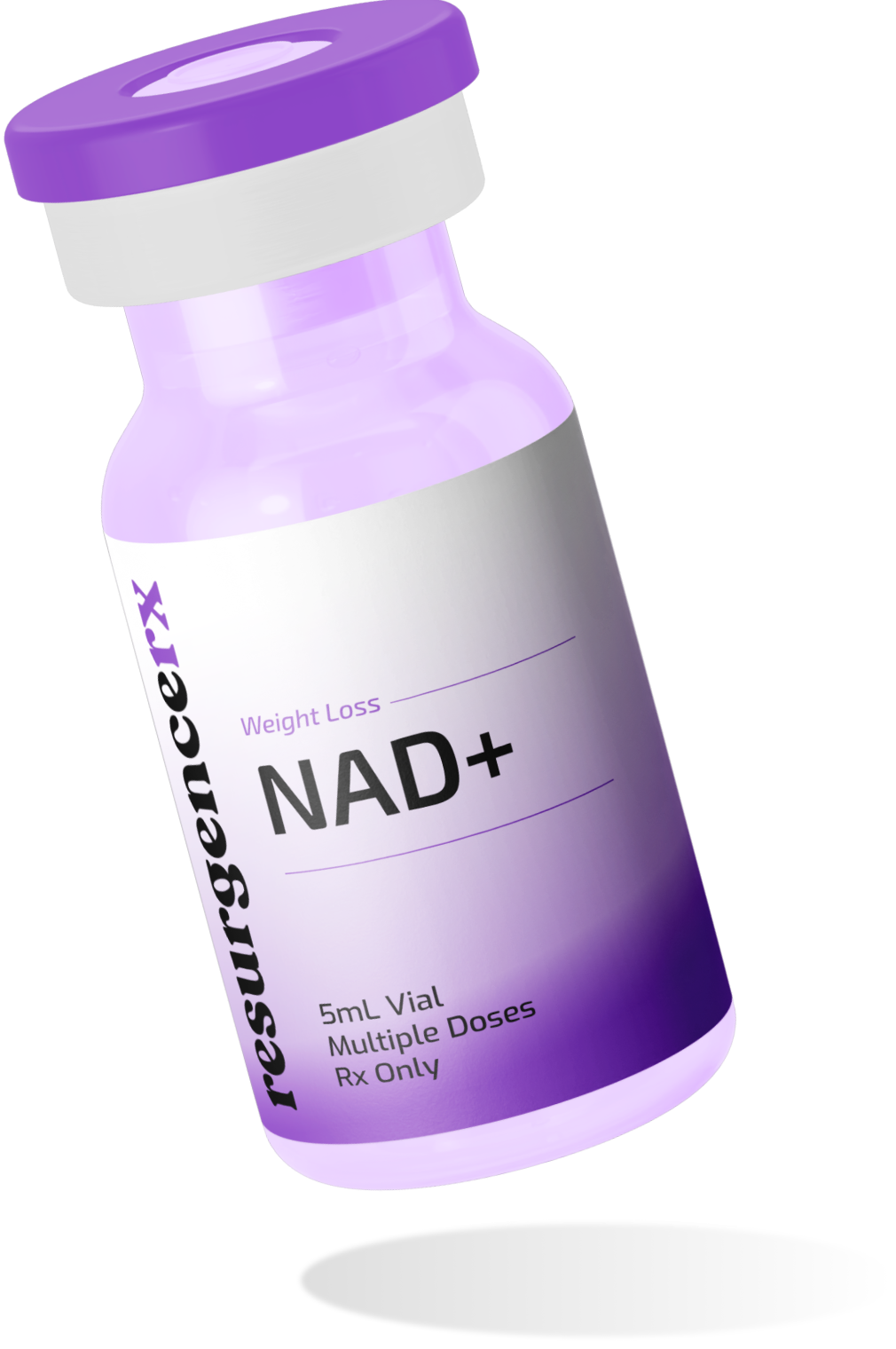
- NAD+ supplementation (linked to cellular energy and repair)
While promising, many of these approaches are still being studied and are not yet widely established.
The Importance of Lifestyle in Longevity Science
Even with advanced treatments, lifestyle remains the foundation of longevity. Scientific research consistently shows that daily habits have a profound impact on how we age.
Key pillars include:
- Nutrition
- Physical activity
- Sleep quality
- Stress management
- Social connection
These factors work together with medical interventions to support long-term health.
What Makes Longevity Treatments Different?
Unlike traditional healthcare, which often focuses on managing symptoms, longevity treatments aim to:
- Address the root causes of aging
- Prevent disease before it starts
- Personalize care based on individual biology
This proactive, science-based approach is what sets longevity care apart.
Final Thoughts
The science behind longevity treatments is rapidly evolving, offering new insights into how we can live not just longer, but healthier lives. By understanding the biological processes of aging and combining them with smart lifestyle choices and emerging therapies, it’s possible to significantly improve quality of life over time.
While not all treatments are fully proven yet, one thing is clear: the future of health lies in prevention, personalization, and a deeper understanding of how our bodies age.